Profile Atlas
A designer and writer collecting projects, observations, and works in progress.
Selected
Featured Work
Explore a selection of WordPress themes, plugins, client projects, and open-source contributions I’ve helped bring to life.
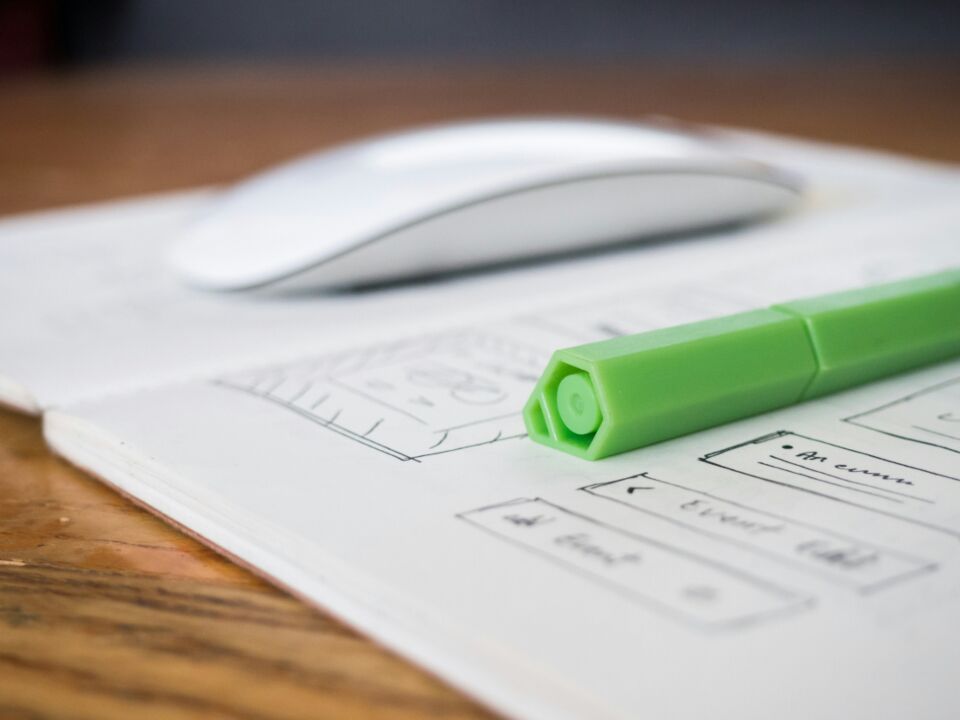
MonoFrame

Chronicle Journal
LocalMerchant

Contributor Highlights
Services
Focus areas
The areas where I help businesses turn ideas into reliable, high-performing WordPress experiences.
Custom WordPress development
I build tailored themes, plugins, and features designed around real business goals—not just technical requirements.
Performance and reliability
I improve slow, complex, or difficult-to-manage websites so they are faster, more stable, and easier to maintain.
Long-term collaboration
I work closely with teams to solve problems, explain technical decisions clearly, and build solutions that continue to work as the business grows.
Profile
About
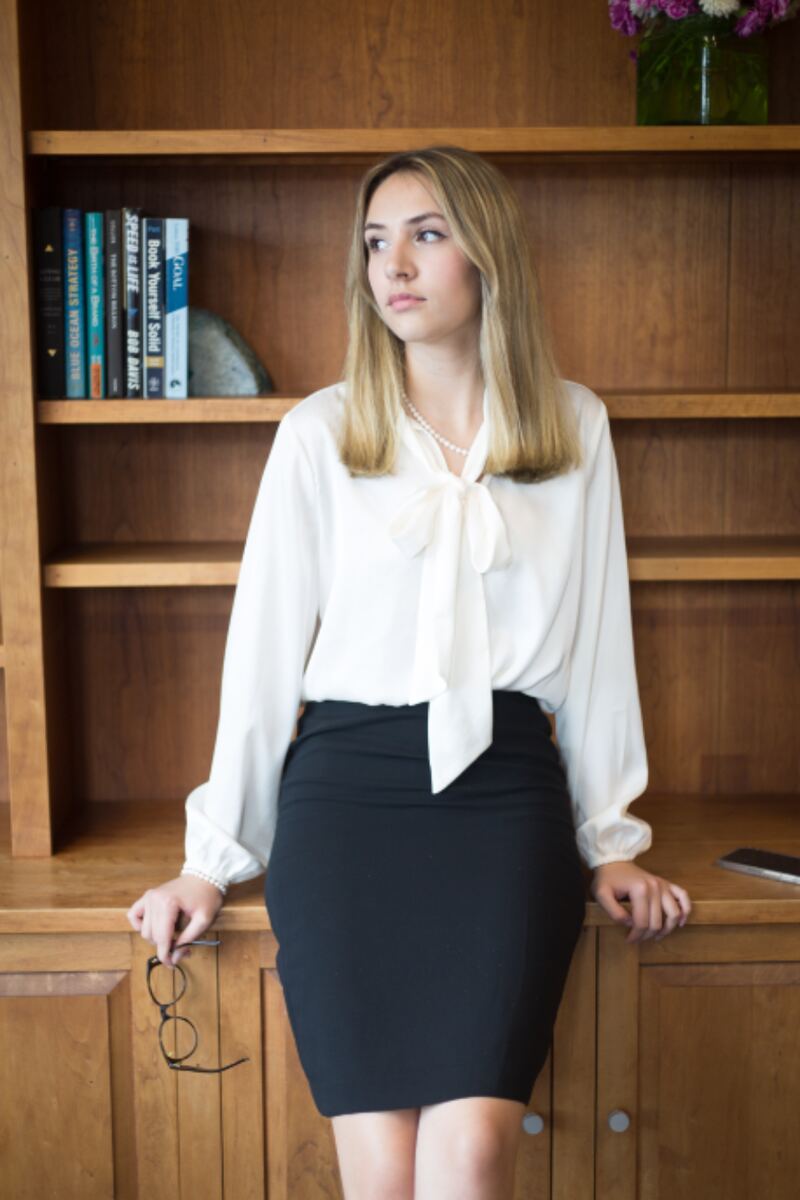
Mara Vale is a fictional designer and writer based somewhere between a shared workshop and a well-used library. This site gathers selected projects and ongoing notes.
Her practice moves between publishing, digital tools, and small visual experiments, with an interest in how people make sense of collections.
Credentials
Learning notes
Fictional entries from courses, workshops, and independent study.
Maps and margins
Reading rooms
Small archives
Shared tools
Volunteer
Community
A few fictional gatherings and shared projects from Mara’s ongoing notebook.
The Long Table
A quiet evening for sharing unfinished writing, gathered references, and objects found on the walk over.
Open Shelf
A rotating shelf of handmade publications, borrowed books, and reader-made index cards.
Weather Office
A two-day exercise in recording local weather through drawings, sound, and small written observations.
Testimonials
What clients say
We are very happy with Rolly’s work. He was able to complete a job that other skilled coders were stuck on for weeks. He started on time and followed all of our instructions so the code functioned as needed
Great to work with, and very impressed with how much effort (and patience!) Rolly put into guiding me through technical issues I didn’t understand well. Will definitely use again and would recommend to others.
Notes
From the journal
Recent notes on projects, references, places, and works in progress.
-
Hello world!
Continue reading →: Hello world!Welcome to WordPress. This is your first post. Edit or delete it, then start writing!
Get in touch
Contact
For correspondence, notes, and project archives, write to Mara at the address below.